
Hot News

Brasssmile Com: A Complete Guide to the Multi-Topic Publishing Platform
Brasssmile com is an online publishing website that provides informational articles across numerous categories. Instead of concentrating on a single subject, the platform covers education, business, health, insurance, law, finance, technology, and other topics relevant to modern readers. The website attracts users searching for practical guides, straightforward explanations, and useful information about everyday decisions. Its broad content strategy allows readers…


Brasssmile: Understanding the Name, Platform, and Growing Online Interest
The internet regularly introduces unfamiliar names that quickly attract attention. Some belong to established companies, while others begin as unique brand names and gradually develop their identity through online content. Brasssmile is one such term that has recently appeared across search engines, blogs, and digital discussions. At first glance, the word may suggest something related to dentistry, metallic decorations, or…

The Alchemist Book Summary: A Journey Toward Dreams and Self-Discovery
Paulo Coelho’s The Alchemist is an inspiring novel about dreams, courage, destiny, and personal growth. First published in Portuguese in 1988, the story follows a young shepherd named Santiago as he travels from Spain to Egypt in search of hidden treasure. During his journey, he discovers that the greatest rewards are often found through experience, wisdom, and understanding oneself. Readers…





Brasssmile Com: A Complete Guide to the Multi-Topic Publishing Platform
Brasssmile com is an online publishing website that provides informational articles across…

Brasssmile Com: A Complete Guide to the Multi-Topic Publishing Platform
Brasssmile com is an online publishing website that provides informational articles across…
Brasssmile: Understanding the Name, Platform, and Growing Online Interest
The internet regularly introduces unfamiliar names that quickly attract attention. Some belong…

The Alchemist Book Summary: A Journey Toward Dreams and Self-Discovery
Paulo Coelho’s The Alchemist is an inspiring novel about dreams, courage, destiny,…

Beaconsoft Tips for Tech: Your Ultimate Guide to Digital Optimization
In today’s hyper-connected, fast-paced American digital landscape, technology is the backbone of…

Kathleen Nimmo Lynch: The Celtics Staffer Whose Name Became Part of an NBA Controversy
Kathleen Nimmo Lynch is not a celebrity, actress, athlete, or public figure…

Debby Clarke Belichick: The Untold Story of Bill Belichick’s Ex-Wife, Their 29-Year Marriage, and Why People Are Searching for Her Again
Introduction For nearly three decades, Debby Clarke Belichick stood beside one of…

Miah Harbaugh: The Untold Story of Jim Harbaugh’s First Wife and Her Life Beyond the Spotlight
Introduction When people hear the name Miah Harbaugh, they often associate it…

Emma D’Arcy Didn’t Become Famous Overnight — And That’s What Makes Their Story Interesting
When people talk about breakout stars from modern television, Emma D'Arcy is…

Zvodeps: The Complete Guide to Understanding Its Meaning, Features, Benefits, and Future Potential
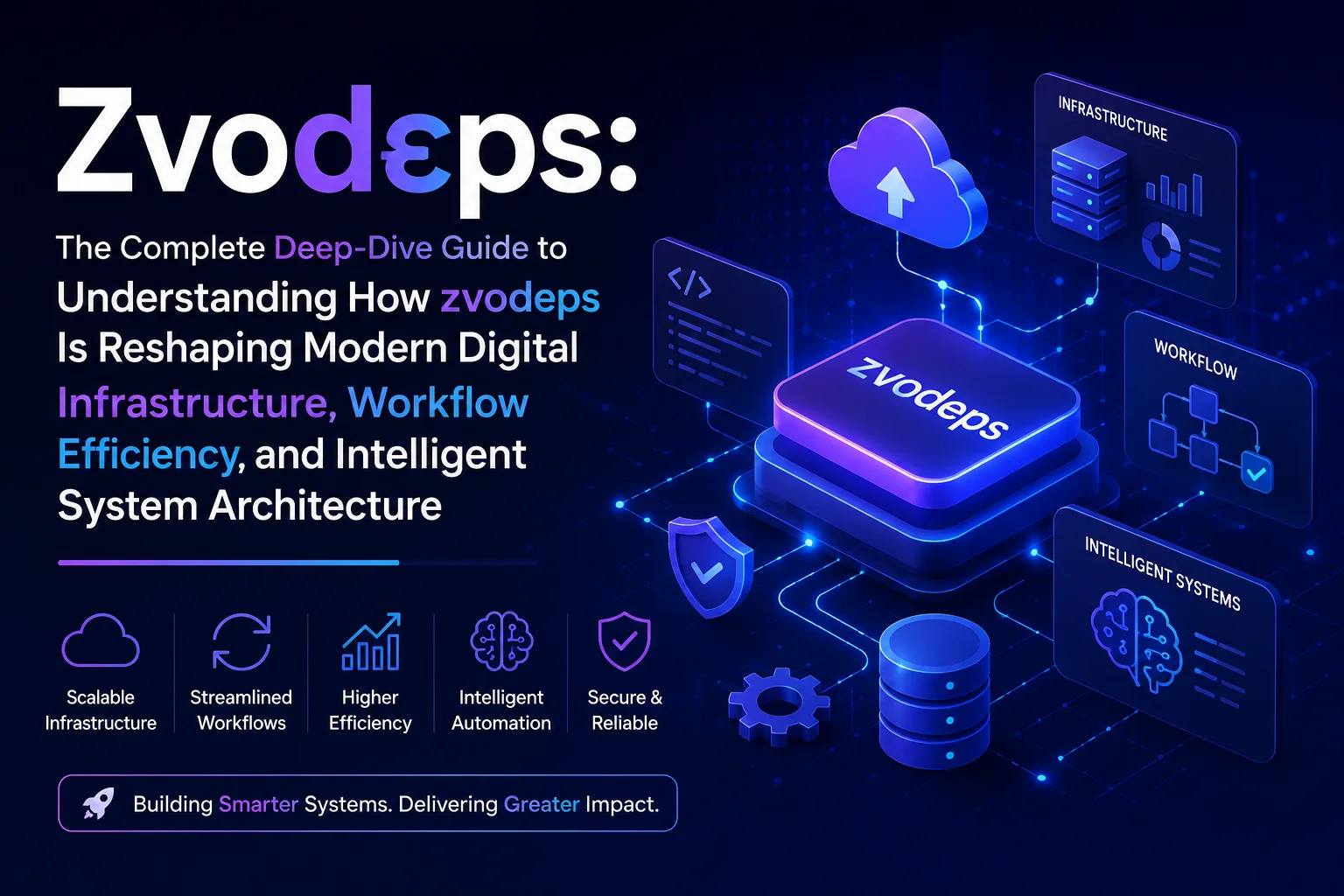
Introduction to Zvodeps
In the rapidly changing digital world, new ideas, technologies, and concepts appear almost every day. One such emerging term that has attracted attention is Zvodeps. Although the word may sound unfamiliar to many people, it represents a modern approach to innovation, adaptability, and the continuous search for better solutions in different areas of life and technology.
The modern world depends on smart systems, creative thinking, and efficient methods that help individuals and organizations achieve their goals. Concepts like Zvodeps are often associated with transformation, improvement, and the ability to adapt to changing environments.
Whether it is connected with digital development, business strategies, creative solutions, or future technologies, Zvodeps represents a mindset focused on progress. It combines imagination, practical thinking, and modern approaches to overcome challenges and create new opportunities.
This complete guide will explore every important aspect of Zvodeps, from its meaning and characteristics to its benefits, applications, challenges, and future possibilities.
The Origin and Meaning of Zvodeps
The term Zvodeps is considered a modern and flexible concept that symbolizes evolution, innovation, and adaptation. Unlike traditional systems that rely on fixed methods, the idea behind Zvodeps encourages continuous learning and improvement.
The foundation of Zvodeps is based on several important principles:
- Innovation and creative thinking
- Flexibility in changing environments
- Smart decision-making
- Efficient use of resources
- Long-term growth and sustainability
These principles make Zvodeps a valuable concept for modern individuals, businesses, and technology-driven industries.
As the world becomes more connected through digital platforms and advanced technologies, there is a growing need for ideas that can quickly adjust to new circumstances. This is where the philosophy behind Zvodeps becomes highly relevant.
Key Characteristics of Zvodeps
Several unique characteristics define the concept of Zvodeps and separate it from ordinary approaches.
1. Adaptability
Adaptability is one of the strongest features of Zvodeps. The ability to change according to new situations allows individuals and organizations to remain competitive and successful.
2. Innovation
Innovation is at the heart of Zvodeps. It encourages people to explore new methods, develop better solutions, and challenge traditional ways of thinking.
3. Efficiency
Modern systems require maximum results with minimum waste. Zvodeps promotes better planning, improved productivity, and effective management of available resources.
4. Continuous Improvement
Instead of remaining fixed, the Zvodeps approach focuses on ongoing development. Every challenge becomes an opportunity to learn and become better.

How Zvodeps Works
The working principle of Zvodeps is based on understanding challenges, analyzing available options, applying intelligent solutions, and continuously improving results.
The process generally includes the following stages:
Identifying the Problem
Every improvement starts with understanding the existing situation. A clear analysis helps identify weaknesses and opportunities.
Creating Strategic Solutions
After identifying the issue, innovative ideas and modern techniques are used to develop effective solutions.
Implementation and Testing
The selected methods are applied in practical situations. Results are monitored to determine their effectiveness and make necessary improvements.
Continuous Development
The final stage focuses on learning from experiences and making future strategies even stronger.
This cycle of improvement allows Zvodeps to remain relevant in an environment where change happens quickly.
Benefits of Zvodeps
The popularity of Zvodeps can be linked to the numerous advantages it offers.
Improved Productivity
By focusing on smart strategies and efficient methods, Zvodeps helps improve performance and achieve better outcomes.
Better Decision-Making
Information, analysis, and creativity work together to support stronger and more effective decisions.
Greater Flexibility
Organizations and individuals using the principles of Zvodeps can adjust more easily to new trends and unexpected changes.
Sustainable Growth
Rather than searching for temporary success, Zvodeps encourages long-term progress and continuous improvement.
The benefits of Zvodeps continue to expand as technology and human creativity create new possibilities for the future.
Applications of Zvodeps in Different Industries
One of the biggest strengths of Zvodeps is its flexibility. The concept can be applied across multiple industries where innovation, efficiency, and continuous development are required.
1. Technology and Digital Transformation
The technology sector is one of the areas where the principles of Zvodeps can have the greatest impact. Modern businesses rely on digital tools, automation, artificial intelligence, cloud systems, and smart platforms to improve their operations.
By following the mindset of Zvodeps, technology companies can create solutions that are faster, smarter, and more user-friendly.
Technology applications include:
- Software development
- Digital innovation
- Automation systems
- Data management
- Artificial intelligence solutions
- User experience improvements
2. Business and Entrepreneurship
Successful businesses are those that can adapt to changing market conditions. The philosophy of Zvodeps encourages organizations to embrace creativity, analyze customer needs, and develop better strategies.
Companies that follow innovative approaches can gain several advantages:
- Increased competitiveness
- Better customer satisfaction
- Faster adaptation to market changes
- More efficient operations
- Improved financial growth
Entrepreneurs can also use Zvodeps as a way of thinking that helps them identify opportunities and transform ideas into successful businesses.
3. Education and Learning
The education industry is continuously evolving due to digital technology and new teaching methods.
Zvodeps supports the idea of lifelong learning, personalized education, and the use of modern tools to make knowledge more accessible.
Examples include:
- Online learning platforms
- Interactive educational technology
- Virtual classrooms
- Personalized learning experiences
- Skill development programs
4. Healthcare and Modern Solutions
Healthcare systems around the world are changing through innovation and technology.
The principles associated with Zvodeps can support improvements such as:
- Better patient management systems
- Advanced medical technologies
- Digital health records
- Faster communication between healthcare professionals
- Improved healthcare services
The focus remains on creating efficient systems that provide better results for people.

Challenges and Limitations of Zvodeps
Although the concept of Zvodeps offers many advantages, every modern approach comes with certain challenges.
Resistance to Change
Many individuals and organizations are comfortable with traditional methods. Introducing new ideas often requires changes in mindset and working habits.
Cost of Innovation
Developing new systems and adopting modern technologies may require financial investment, training, and time.
Complexity
Advanced solutions can sometimes become difficult to understand or manage without proper knowledge and skills.
Security and Ethical Considerations
As technology becomes more powerful, concerns related to privacy, security, and ethical use become increasingly important.
Organizations must ensure that innovation remains responsible and beneficial for society.
The Future Potential of Zvodeps
The future of Zvodeps appears connected with continuous innovation and the advancement of technology.
As artificial intelligence, automation, and digital systems become more advanced, the need for adaptable and creative approaches will continue to grow.
Future developments may include:
- Smarter technological systems
- More personalized digital experiences
- Increased automation
- Better global communication
- Sustainable and efficient solutions
The idea behind Zvodeps is not limited to one industry. It represents a broader vision where people use intelligence, creativity, and technology to build a better future.
Best Practices for Applying Zvodeps
For individuals and organizations interested in adopting the principles of Zvodeps, several practices can improve success.
Keep Learning
Continuous education helps people remain prepared for future changes.
Encourage Creativity
New ideas should be welcomed because innovation often begins with simple creative thoughts.
Use Technology Wisely
Modern tools should be used to solve real problems and create value.
Analyze and Improve
Regular evaluation allows systems and strategies to become more effective over time.
Zvodeps represents a journey of progress rather than a single destination. It encourages continuous improvement, intelligent decision-making, and the courage to explore new possibilities.
Frequently Asked Questions (FAQs) About Zvodeps
1. What is Zvodeps?
Zvodeps is a modern concept associated with innovation, adaptability, efficiency, and continuous improvement. It represents a forward-thinking approach that helps individuals and organizations create better solutions for future challenges.
2. Is Zvodeps a technology or a philosophy?
Zvodeps can be viewed as both. It can represent a technology-driven approach involving digital transformation and smart solutions, while also functioning as a philosophy that encourages creativity, learning, and adaptation.
3. How can businesses benefit from Zvodeps?
Businesses can benefit from Zvodeps by improving productivity, adopting innovative strategies, increasing customer satisfaction, and staying competitive in rapidly changing markets.
4. Can individuals apply the principles of Zvodeps?
Yes. Individuals can use the principles of Zvodeps in their personal and professional lives by embracing continuous learning, improving skills, using modern tools, and adapting to change.
5. Why is innovation important in the Zvodeps concept?
Innovation is the foundation of Zvodeps because it helps create new ideas, solve complex problems, and discover more efficient ways of achieving goals.
6. What industries can use Zvodeps?
The ideas associated with Zvodeps can be applied in many fields, including technology, business, education, healthcare, research, and digital development.
Why Zvodeps Matters in the Modern World
The world is evolving faster than ever before. New technologies, changing customer expectations, and global competition require people and organizations to become more flexible.
Zvodeps represents a modern approach where change is not considered a problem but an opportunity for growth. By combining creativity, strategic thinking, and technology, it helps create solutions that are prepared for the future.
The importance of concepts like Zvodeps will continue to increase as artificial intelligence, automation, and digital innovation become part of everyday life.
Final Thoughts
Zvodeps symbolizes the future of innovation, adaptability, and continuous improvement. Whether applied in technology, business, education, healthcare, or personal development, its main purpose is to encourage smarter thinking and better solutions.
The strength of Zvodeps lies in its flexibility. It allows people and organizations to analyze challenges, develop creative ideas, implement effective strategies, and continue improving over time.
In a world where change happens every day, adopting the mindset of Zvodeps can provide a strong foundation for long-term success. Those who remain curious, innovative, and willing to adapt will be better prepared for the opportunities and challenges of tomorrow.
Frequently Asked Questions (FAQs) About Zvodeps
1. What is Zvodeps?
Zvodeps is a modern concept associated with innovation, adaptability, efficiency, and continuous improvement. It represents a forward-thinking approach that helps individuals and organizations create better solutions for future challenges.
2. Is Zvodeps a technology or a philosophy?
Zvodeps can be viewed as both. It can represent a technology-driven approach involving digital transformation and smart solutions, while also functioning as a philosophy that encourages creativity, learning, and adaptation.
3. How can businesses benefit from Zvodeps?
Businesses can benefit from Zvodeps by improving productivity, adopting innovative strategies, increasing customer satisfaction, and staying competitive in rapidly changing markets.
4. Can individuals apply the principles of Zvodeps?
Yes. Individuals can use the principles of Zvodeps in their personal and professional lives by embracing continuous learning, improving skills, using modern tools, and adapting to change.
5. Why is innovation important in the Zvodeps concept?
Innovation is the foundation of Zvodeps because it helps create new ideas, solve complex problems, and discover more efficient ways of achieving goals.
6. What industries can use Zvodeps?
The ideas associated with Zvodeps can be applied in many fields, including technology, business, education, healthcare, research, and digital development.
Why Zvodeps Matters in the Modern World
The world is evolving faster than ever before. New technologies, changing customer expectations, and global competition require people and organizations to become more flexible.
Zvodeps represents a modern approach where change is not considered a problem but an opportunity for growth. By combining creativity, strategic thinking, and technology, it helps create solutions that are prepared for the future.
The importance of concepts like Zvodeps will continue to increase as artificial intelligence, automation, and digital innovation become part of everyday life.
Final Thoughts
Zvodeps symbolizes the future of innovation, adaptability, and continuous improvement. Whether applied in technology, business, education, healthcare, or personal development, its main purpose is to encourage smarter thinking and better solutions.
The strength of Zvodeps lies in its flexibility. It allows people and organizations to analyze challenges, develop creative ideas, implement effective strategies, and continue improving over time.
In a world where change happens every day, adopting the mindset of Zvodeps can provide a strong foundation for long-term success. Those who remain curious, innovative, and willing to adapt will be better prepared for the opportunities and challenges of tomorrow.
Frequently Asked Questions (FAQs) About Zvodeps
1. What is Zvodeps?
Zvodeps is a modern concept associated with innovation, adaptability, efficiency, and continuous improvement. It represents a forward-thinking approach that helps individuals and organizations create better solutions for future challenges.
2. Is Zvodeps a technology or a philosophy?
Zvodeps can be viewed as both. It can represent a technology-driven approach involving digital transformation and smart solutions, while also functioning as a philosophy that encourages creativity, learning, and adaptation.
3. How can businesses benefit from Zvodeps?
Businesses can benefit from Zvodeps by improving productivity, adopting innovative strategies, increasing customer satisfaction, and staying competitive in rapidly changing markets.
4. Can individuals apply the principles of Zvodeps?
Yes. Individuals can use the principles of Zvodeps in their personal and professional lives by embracing continuous learning, improving skills, using modern tools, and adapting to change.
5. Why is innovation important in the Zvodeps concept?
Innovation is the foundation of Zvodeps because it helps create new ideas, solve complex problems, and discover more efficient ways of achieving goals.
6. What industries can use Zvodeps?
The ideas associated with Zvodeps can be applied in many fields, including technology, business, education, healthcare, research, and digital development
Why Zvodeps Matters in the Modern World
The world is evolving faster than ever before. New technologies, changing customer expectations, and global competition require people and organizations to become more flexible.
Zvodeps represents a modern approach where change is not considered a problem but an opportunity for growth. By combining creativity, strategic thinking, and technology, it helps create solutions that are prepared for the future.
The importance of concepts like Zvodeps will continue to increase as artificial intelligence, automation, and digital innovation become part of everyday life.
Final Thoughts
Zvodeps symbolizes the future of innovation, adaptability, and continuous improvement. Whether applied in technology, business, education, healthcare, or personal development, its main purpose is to encourage smarter thinking and better solutions.
The strength of Zvodeps lies in its flexibility. It allows people and organizations to analyze challenges, develop creative ideas, implement effective strategies, and continue improving over time.
In a world where change happens every day, adopting the mindset of Zvodeps can provide a strong foundation for long-term success. Those who remain curious, innovative, and willing to adapt will be better prepared for the opportunities and challenges of tomorrow.